Boundless Immersive
JOURNAL

Writing on immersive training and safety, from inside the projects.

03 AUG 2026
Capture plus delivery: why a scan on its own is not the product

A scan is an input, not a product. Boundless does both halves of the job: we capture the environment and we build the branded platform a client runs it through, so the output is something an organisation operates itself rather than a file it receives. Most vendors sell one half. That gap is the point.

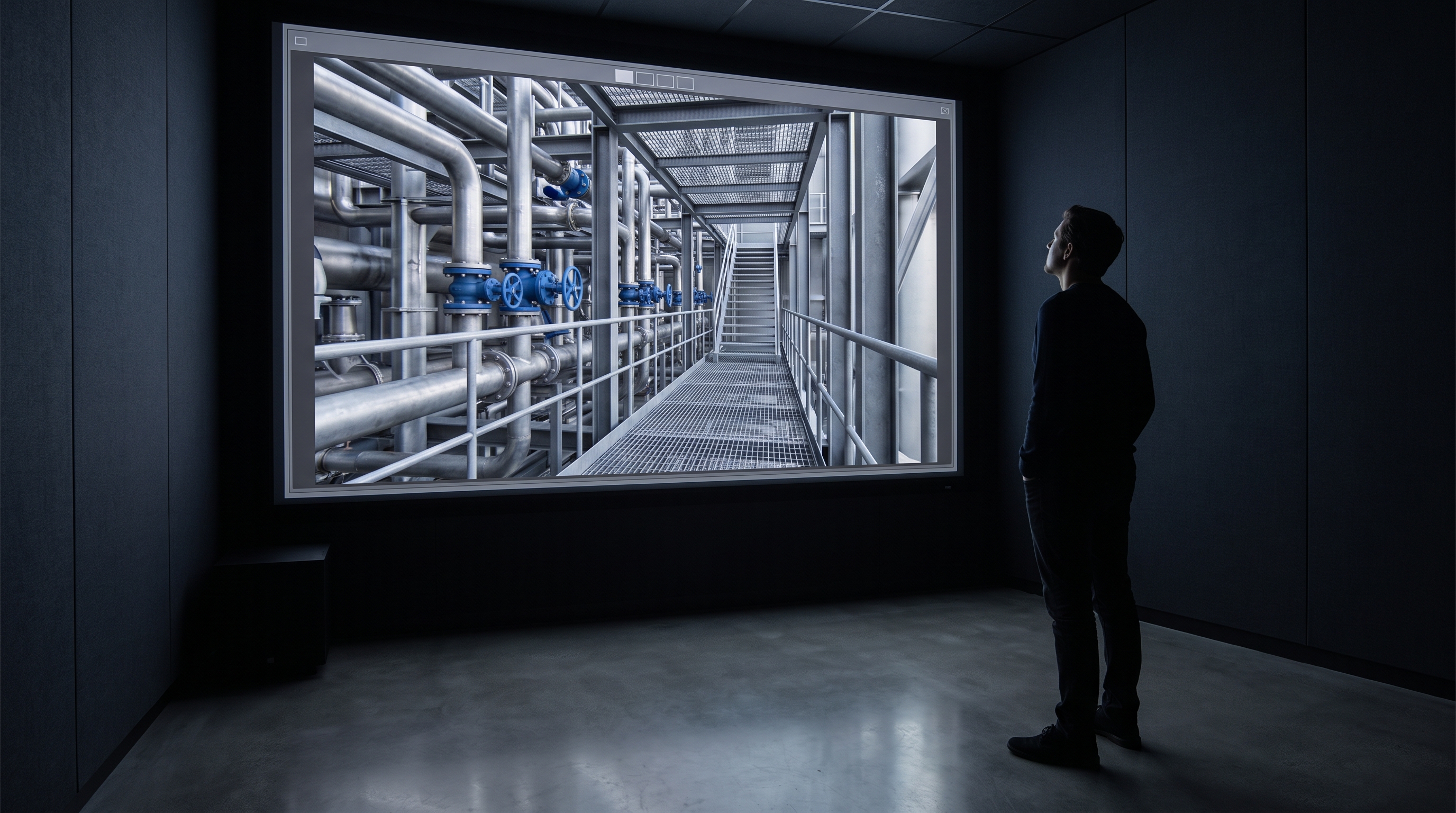
A single person stands in silhouette in a darkened review room, facing a large wall display showing a detailed captured interior model of a building with a thin, minimal navigation interface at its edges.
Extreme close-up of a row of small amber-white charging indicator lights receding diagonally into soft darkness, sharp in the foreground and blurring into black toward the back, no people, casing or room visible.
03 AUG 2026
What VR training actually costs

VR training cost is driven by content, not headsets. A single-scenario pilot typically runs in the low tens of thousands, while a multi-module programme with several bespoke environments and integration runs into six figures. Hardware is usually the smallest line: a Meta Quest 3S starts at around £320 in the UK. What moves the number is scope, fidelity, how much you reuse, and who maintains it after launch.

Over-the-shoulder close shot of a woman at a laptop in conversation with a photorealistic digital human persona on screen, a soft rubric panel visible along the right edge of the display, in a bright, tidy office.
03 AUG 2026
AI avatars and conversational assessment: what actually works

Conversational assessment is where a learner talks to an AI avatar and is scored on judgement rather than recall. It is genuinely good for high-stakes conversations that require empathy and decision-making, and it falls down where the scenario has no rubric or the model is trusted to grade unsupervised. The difference between a gimmick and an assessment people trust is a defined scenario spine, evidence-linked scoring, and a human in the loop.

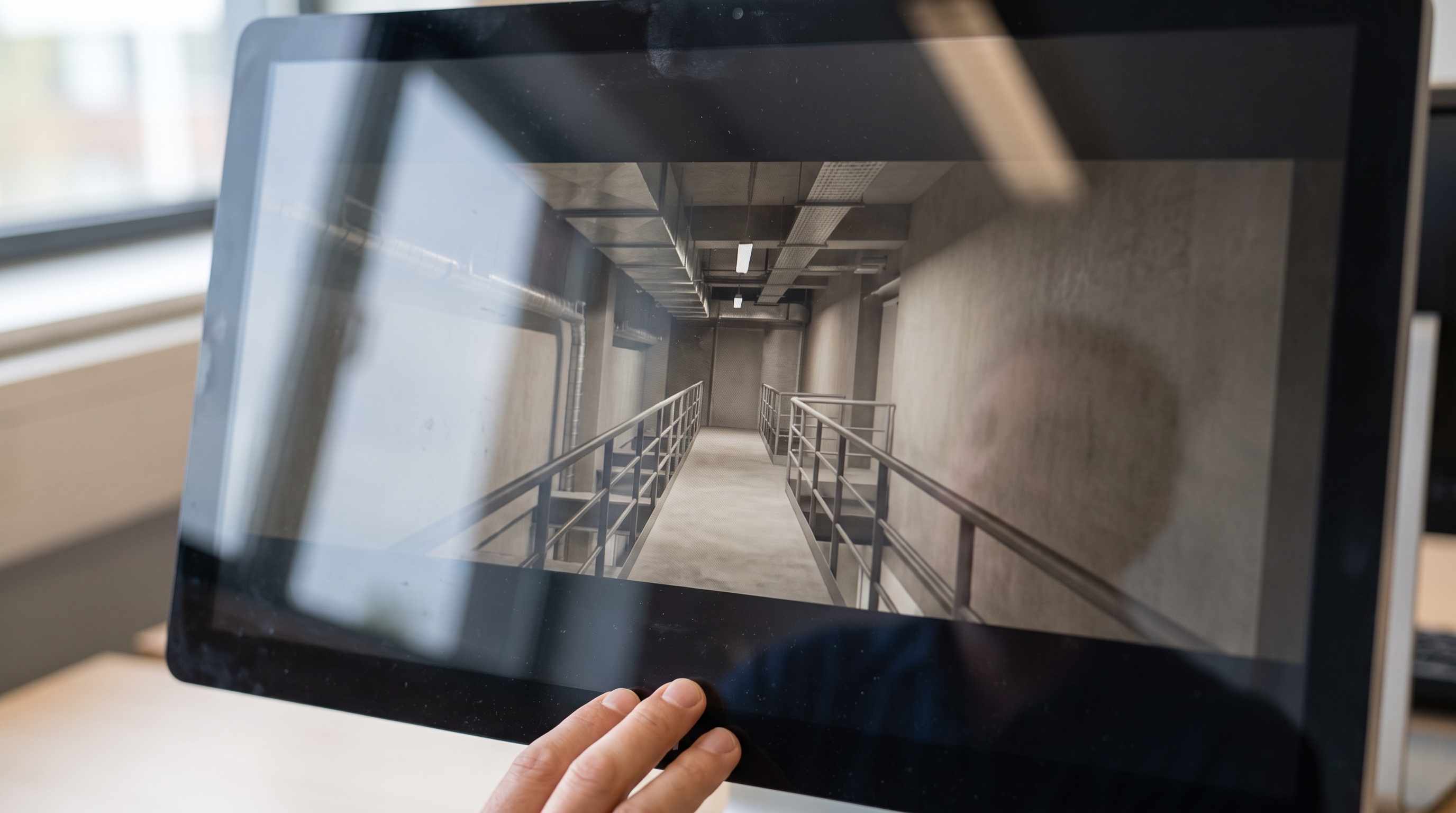
Close angled view of a dark computer monitor showing a sharp 3D-captured interior walkway, with a softer reflection of the real office room and window visible in the glass around the screen, a single hand resting at the bottom edge of the bezel.
03 AUG 2026
Reality capture beyond the headset

Reality capture covers four capture methods that feed a delivery platform: 360 photography, drone photogrammetry, LiDAR and Matterport scanning. In the UK these are often sold as a scanning service by the day, but a scan on its own is not the product. The value comes from what you build on top of the capture, and each method has a clear job and a clear point where it is the wrong tool. Matterport's Pro3, for example, is accurate to roughly 20mm at 10 metres, which is fine for a walkthrough and wrong for a clash-detection survey.

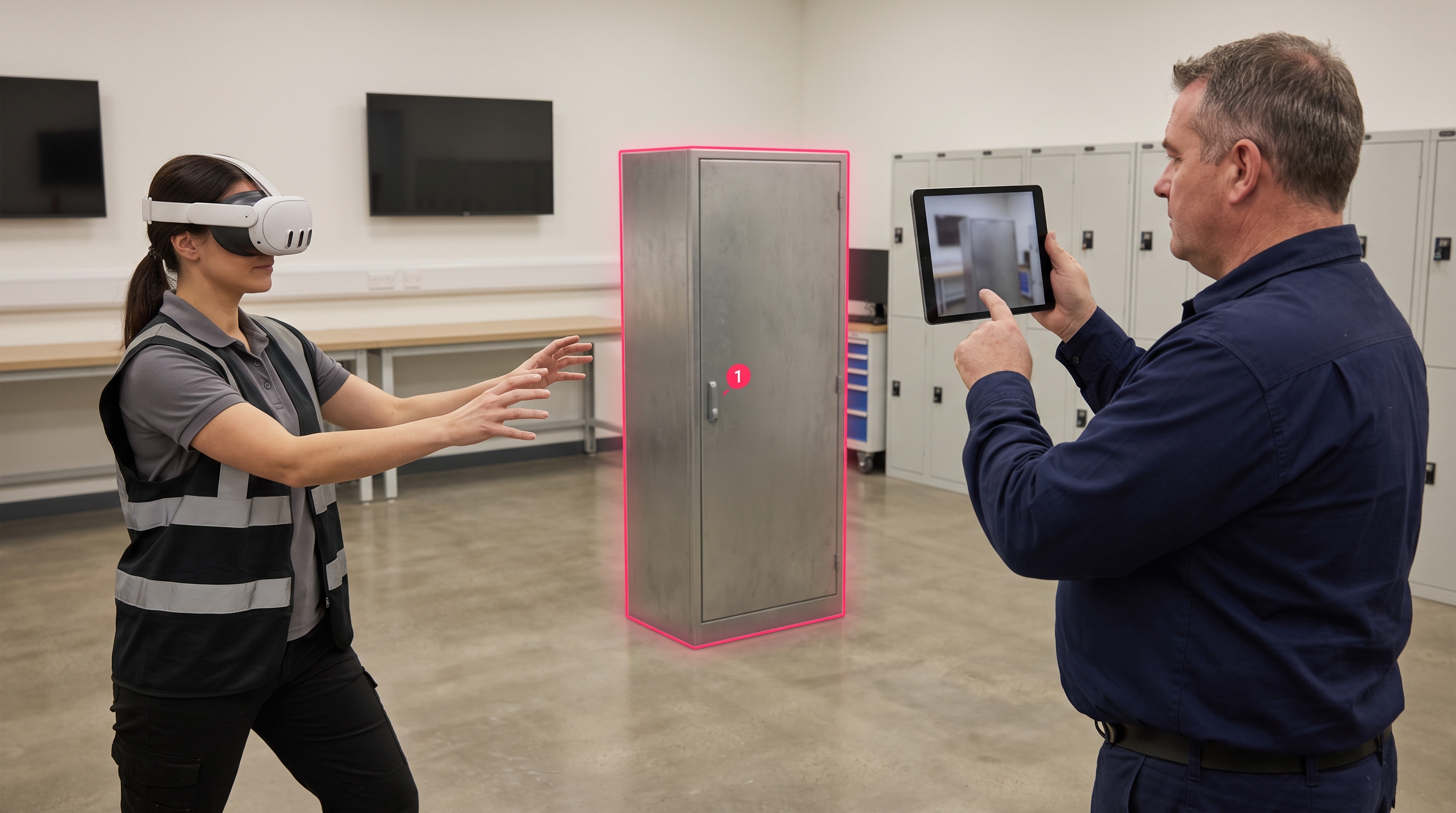
A frontline worker in a Meta Quest 3 headset taking a short training session in a workplace training corner, a facilitator beside her, handling a virtual component held between both hands
24 JUL 2026
If half of employees have no time to train, when does immersive learning actually earn its slot?
When roughly half your workforce says they have no time to train, a virtual reality training system earns its place on the rota by being time-efficient, not just engaging. PwC's enterprise study found VR learners completed the same soft skills course up to four times faster than in a classroom, so the honest test for L&D leaders is minutes-per-decision, not hours-per-course.

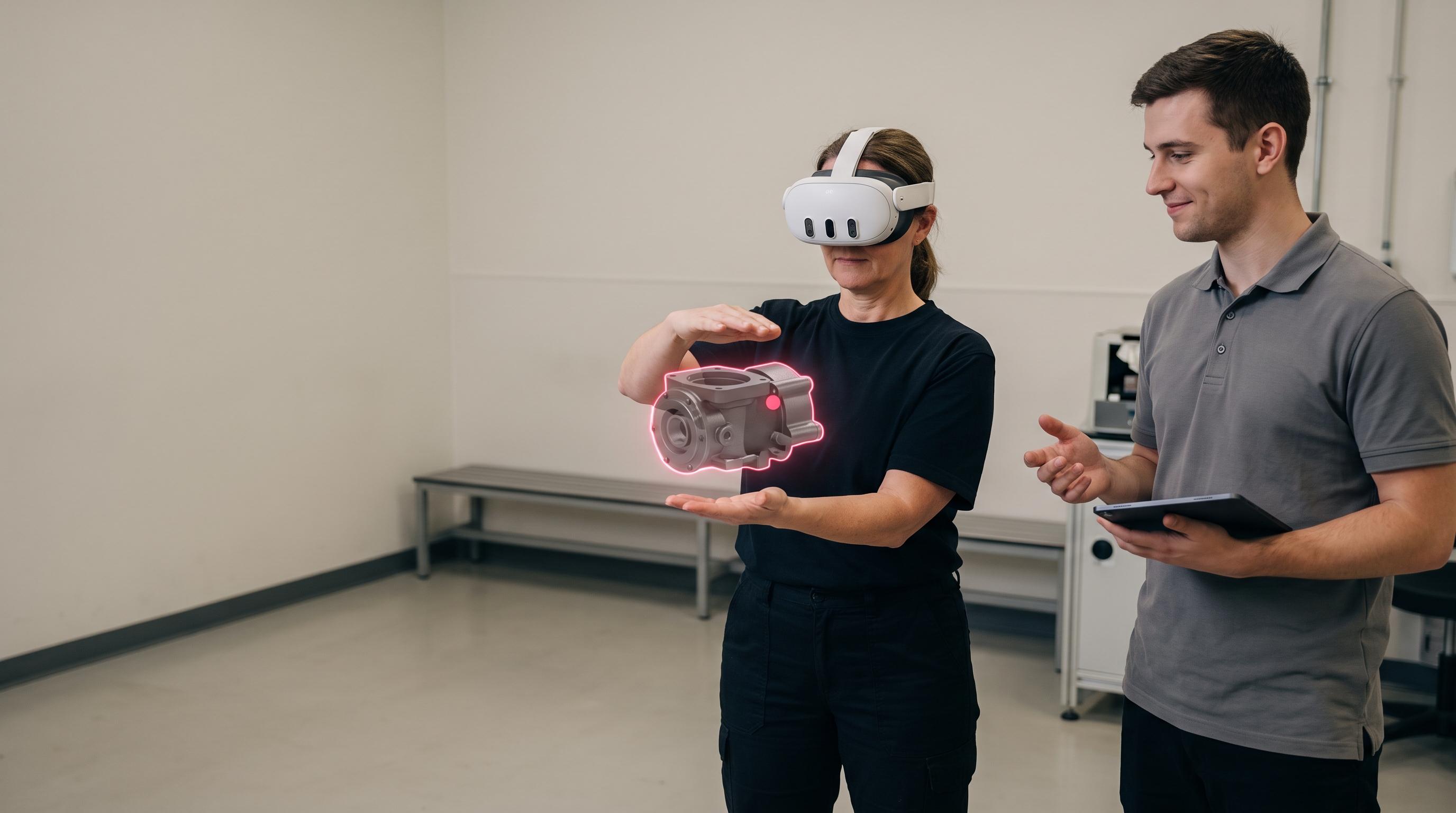
Two safety trainees in an industrial training room, one wearing a VR headset handling a virtual valve assembly, the other holding a tablet showing an augmented reality pipe overlay
18 JUL 2026
VR vs AR for safety training: which format actually reduces risk
a decision guide for health, safety and technical training leaders weighing VR against AR: where each format cuts risk, what each costs to run, and how to match the technology to the hazard.

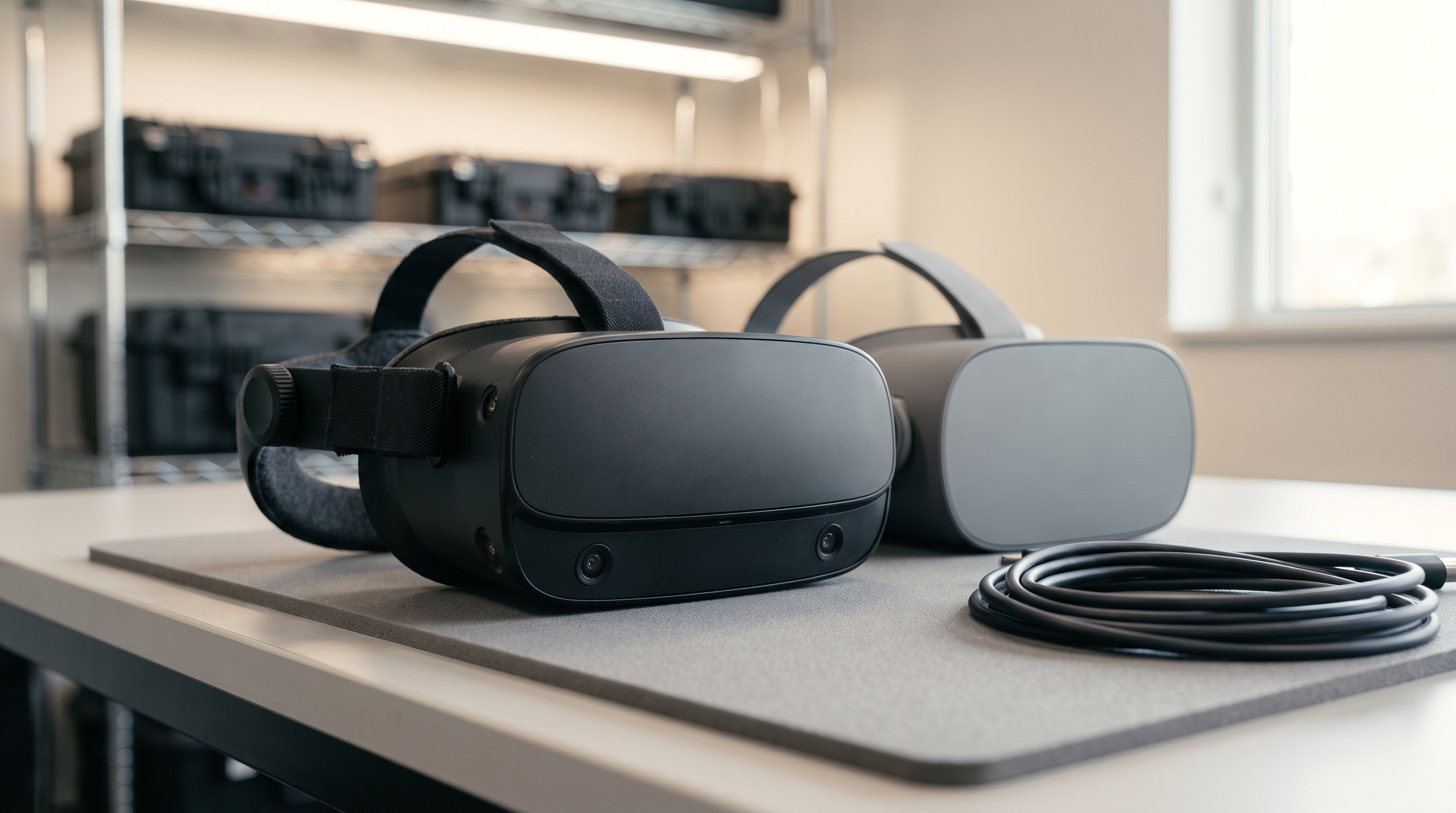
Macro photograph of two different VR headsets resting side by side on a clean equipment table, one with visible front tracking cameras, the other with a plain front plate, in a well-lit equipment room.
17 JUL 2026
3DoF vs 6DoF for enterprise VR training: how to choose the right hardware

A practical guide to choosing between 3DoF and 6DoF headsets for enterprise training rollouts, what each does well, where each falls short, and how to match the hardware to the learning outcome.

If your VR training needs explaining, it probably isn’t working
03 MAR 2026

There’s a moment that often comes up in VR training projects.

What should you leave out of a VR training simulation?
24 FEB 2026

One of the most common questions in VR training is what to include.

Designing VR training around decisions, not steps
11 FEB 2026

A lot of VR training starts with good intentions.

When does realism get in the way of learning?
04 FEB 2026
Realism is usually one of the first things people ask about when discussing VR training and immersive learning experiences.

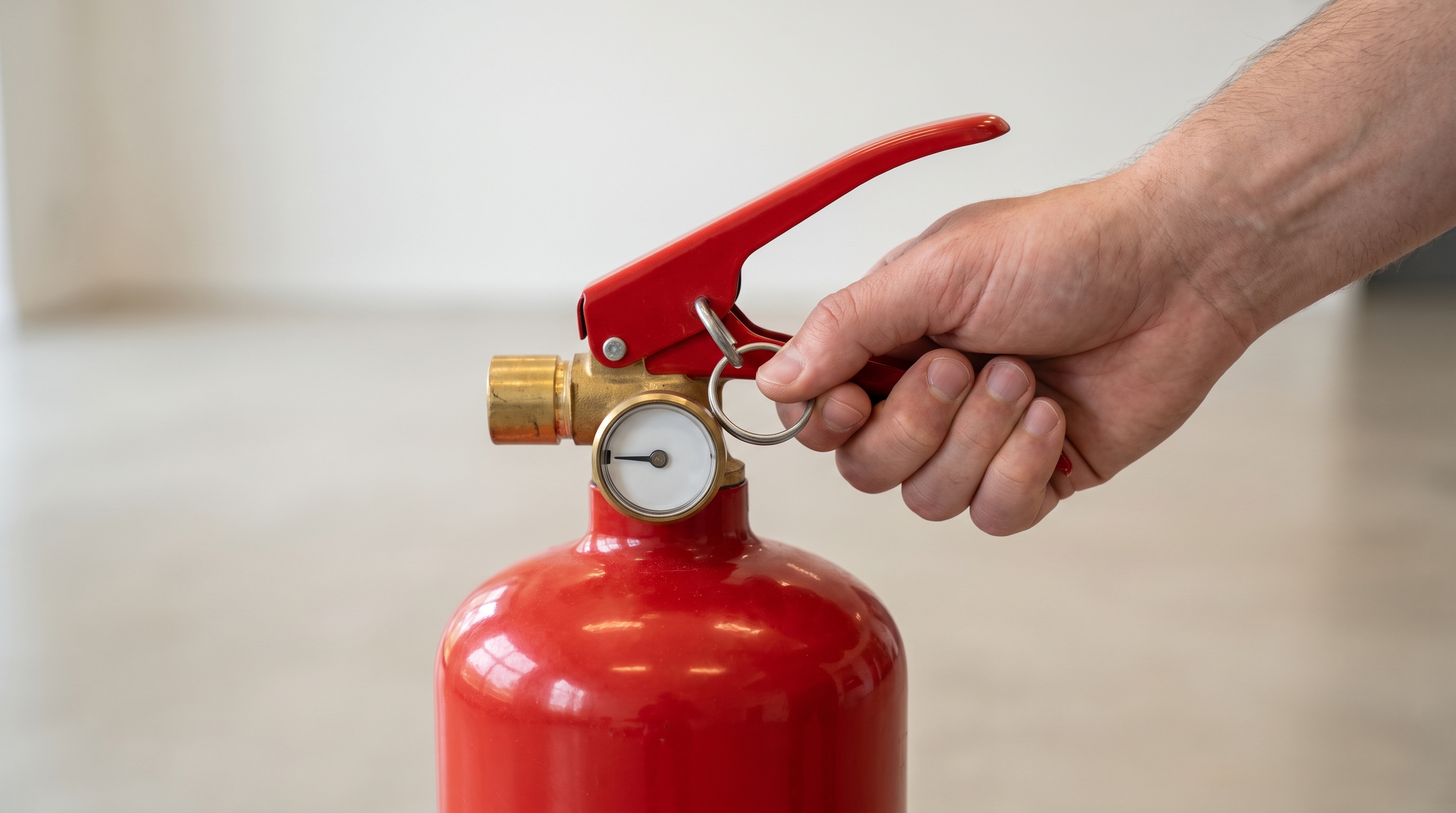
Close-up of a hand pulling the safety pin from a red fire extinguisher in a clean training room.
13 AUG 2025
Reimagining fire safety training through immersive technology

Workplace fires remain a major risk, costing businesses millions each year in damages, lost productivity, and the potential loss of life.

Transforming health and safety training in high-risk industries with virtual reality
16 MAY 2024

Whether working with hazardous materials or practising critical medical procedures, VR offers a safe, controlled environment to acquire practical skills.